
Home›Guides›Home Safety & Hazards
Home Safety & Hazards
Popcorn Ceiling and Asbestos: What Homeowners Need to Know Before Renovating
If your home was built or renovated before 1980, your popcorn ceiling should be treated as suspect for asbestos until a laboratory test proves otherwise — age alone only moves the odds, it doesn't confirm anything, and you cannot tell by looking at it. The good news: an intact, undisturbed popcorn ceiling generally poses very little risk just sitting there. Asbestos only becomes dangerous when its fibers are released into the air, which is exactly what scraping, sanding, drilling, or water damage can do. Which is why the rule before any renovation is simple: test before you touch.

The short version
- You cannot tell by looking. There is no visual difference between an asbestos-containing texture and a safe one. A lab test is the only answer.
- Intact and undisturbed is generally low risk. Fibers are dangerous once airborne — which is why scraping, not existence, creates the hazard.
- A positive result gives you three options. Leave it, encapsulate at roughly $4–$9 per sq ft, or pay for full professional removal.
- Removal is regulated abatement work. Never a weekend project, and standard home inspections do not test for it.
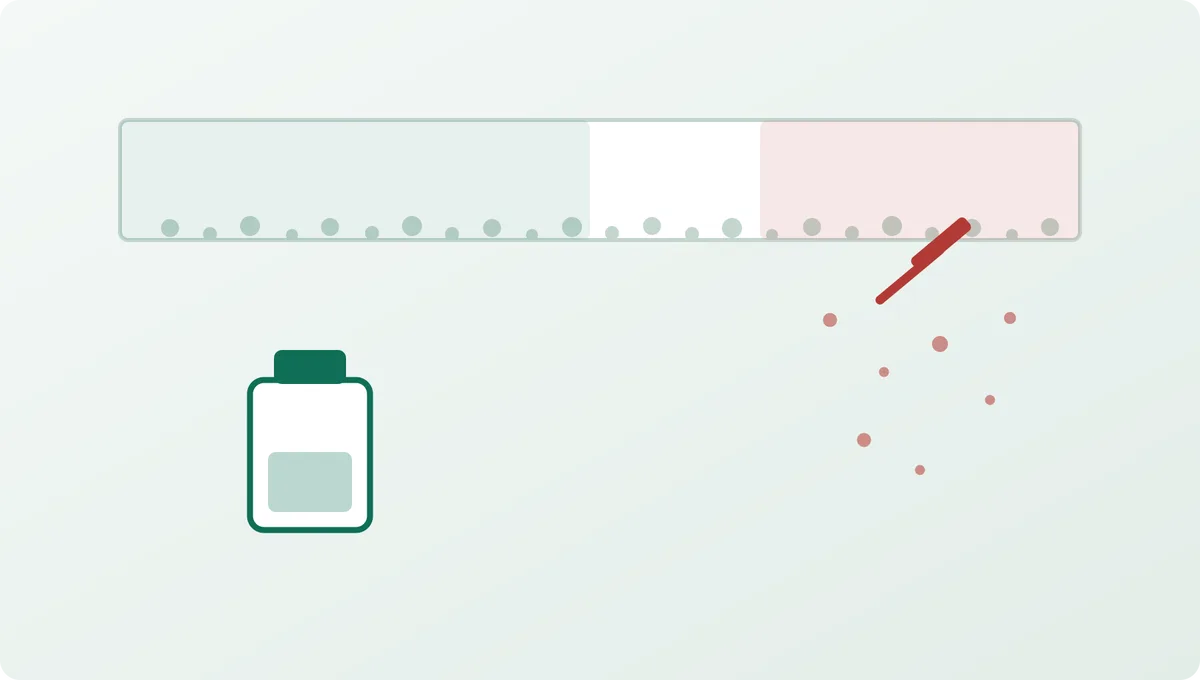
Why the timeline matters (and why it's not a clean cutoff)
Popcorn ceiling texture was enormously popular from the 1950s through the late 1970s, prized for hiding drywall imperfections, dampening sound, and going up quickly. Many formulations used chrysotile asbestos as a binder, valued for its fire resistance and durability. The EPA and CPSC banned spray-applied asbestos surfacing products in 1978 under the Clean Air Act — but the ban didn't require manufacturers or contractors to discard existing inventory. That created a messy transition window: builders kept using their remaining pre-ban stock for years afterward, meaning a ceiling installed as late as the early-to-mid 1980s can still contain asbestos even though the ban was technically already in effect. The practical rule most professionals use: treat any home built or renovated before 1980 as suspect, and some extend that caution window to 1990 to account for lingering inventory and less common non-spray textured products.
You cannot identify it by looking — testing is the only way to know
This is worth stating plainly, since it's the single most common misconception homeowners have: there's no visual difference between an asbestos-containing popcorn ceiling and an asbestos-free one. Age narrows the odds, but only laboratory analysis — typically polarized light microscopy performed by an accredited lab — gives a definitive answer. Two paths get you there: a certified asbestos professional can collect and submit a sample, or DIY sampling kits are available for $30 to $50 plus lab fees, where you wet the area first (critical — this prevents fibers from becoming airborne during collection), gently collect a small sample while wearing gloves and a mask, seal it, and mail it to a certified lab. Results typically come back within one to two weeks either way. A confirmed negative result settles the question permanently; a confirmed positive tells you exactly what you're working with before any renovation begins.
The good news: intact ceilings are generally low-risk
This is the reassuring half of the story, and it's worth understanding clearly rather than assuming the worst. Asbestos is dangerous specifically when its fibers become airborne and are inhaled — an intact, undisturbed, painted popcorn ceiling left alone generally poses very little risk to the people living underneath it. The danger comes from disturbance: scraping, sanding, drilling, or water damage that breaks the material apart and releases fibers into the air. This is exactly why testing matters most at one specific moment — right before you plan to touch the ceiling in any way, whether that's a full removal, a light repair, or even installing a ceiling fixture that requires drilling into it.
Risk timeline
Age shifts the odds; only a test settles it
Once you get a positive result: your three options
- Leave it alone. If the ceiling is intact and you're not planning any renovation that would disturb it, doing nothing is a legitimate, low-cost option. It doesn't solve the underlying question forever, but it isn't reckless either.
- Encapsulation. A specialized sealant is applied over the existing texture, physically separating the asbestos-containing material from the occupied space without removing it. This typically costs $4 to $9 per square foot — a fraction of full removal — and is a reasonable middle path for a stable ceiling you don't need to alter structurally.
- Professional removal. The only option that fully eliminates the material rather than managing it in place. More expensive than encapsulation, but it gives you a permanent, documented resolution — useful if you're planning significant renovation or eventually selling the home.
Why this is never a DIY removal project
Once a popcorn ceiling has tested positive, removal is genuinely different from testing — this is regulated abatement work, not a weekend project. Scraping a confirmed asbestos-containing ceiling generates airborne fiber concentrations well above OSHA's permissible exposure limit of 0.1 fibers per cubic centimeter, and improper disposal of the material violates federal transport rules and most state solid waste codes. Hiring a state-licensed asbestos abatement contractor with current certification isn't an upsell — it's the only approach that handles both the exposure risk during removal and the legal disposal requirements correctly. If you've already confirmed a positive result, our asbestos removal cost calculator covers what professional abatement typically costs.
Buying or selling an older home? Don't assume it's already been checked
A standard home inspection does not automatically include asbestos testing, even for homes clearly old enough to be suspect. If you're buying a pre-1980 home with a textured ceiling, it's worth requesting asbestos testing specifically, since it won't be covered by default. If you're selling, a confirmed negative test is worth keeping on file — it's a straightforward way to answer the question for a buyer before it becomes a point of negotiation or concern during their own inspection process. If your renovation plans also involve the kitchen or bathroom, where ceiling texture disturbance often happens alongside other work, our kitchen remodel cost estimator and bathroom remodel cost estimator are worth pricing alongside any ceiling work.
What does asbestos removal actually cost?
Cost depends on material type, quantity, and whether it's classified as friable (crumbles easily and releases fibers more readily) or non-friable. Our asbestos removal cost calculator gives you an instant estimate based on your specific situation.
Frequently asked questions
How do I know if my popcorn ceiling has asbestos?
You cannot tell by looking. If your home was built or renovated before 1980, treat the ceiling as suspect and have a sample tested by an accredited laboratory, either through a certified professional or a DIY sampling kit mailed to a certified lab.
Is it safe to live under a popcorn ceiling that might contain asbestos?
Generally yes, if the ceiling is intact and undisturbed. Asbestos becomes dangerous when fibers are released into the air through scraping, sanding, drilling, or water damage — an untouched ceiling poses comparatively little risk.
What is encapsulation, and is it a real alternative to removal?
Encapsulation seals a confirmed asbestos-containing ceiling in place with a specialized sealant rather than removing it, typically costing $4 to $9 per square foot. It's a legitimate, lower-cost option for a stable ceiling that doesn't need structural alteration.
Can I remove an asbestos popcorn ceiling myself?
No. Scraping confirmed asbestos-containing material releases airborne fiber levels well above OSHA's permissible exposure limit, and improper disposal violates federal and state regulations. This work requires a licensed asbestos abatement contractor.
Put a number on it
Estimate licensed abatement by material and condition — popcorn ceiling, floor tile, siding or pipe wrap…
Open the Asbestos Removal Cost Calculator →Sources & standards
- U.S. EPA — Asbestos in Your Home
- OSHA — Asbestos Standards
- U.S. EPA — Lead Renovation, Repair and Painting Rule
This guide is general information, not professional advice. Building codes, permit requirements and safety rules are set locally and change over time — your building department and a licensed professional are the authorities for your property. Cost figures are HomeEstimatorHub estimates, not quotes — see how they are calculated.
Keep reading
More guides in Home Safety & Hazards.
Price it
Estimators for the work this guide describes.