
Home›Guides›Costs & Home Value
Costs & Home Value
The 80% Rule: Are You Underinsured on Your Homeowners Policy?
The 80% rule says you need dwelling coverage equal to at least 80% of your home's replacement cost to get a full payout on any claim — even a partial one, not just a total loss. Industry estimates suggest anywhere from 20% to as many as two-thirds of US homeowners fall short of this without realizing it, usually because their coverage was never updated to keep pace with rising construction costs.

The short version
- It is replacement cost, not market value. The 80% is measured against what it would cost to rebuild the structure — not what you paid or what it would sell for.
- The formula is coverage ÷ (80% × replacement cost). Fall short and that ratio is applied to every partial claim, not just a total loss.
- It is common, not rare. The Insurance Information Institute puts underinsurance somewhere between 20% and 60% of homeowners.
- Unreported renovations are the usual cause. A remodel raises your rebuild cost, but your insurer only knows if you tell them.
What the 80% rule actually is
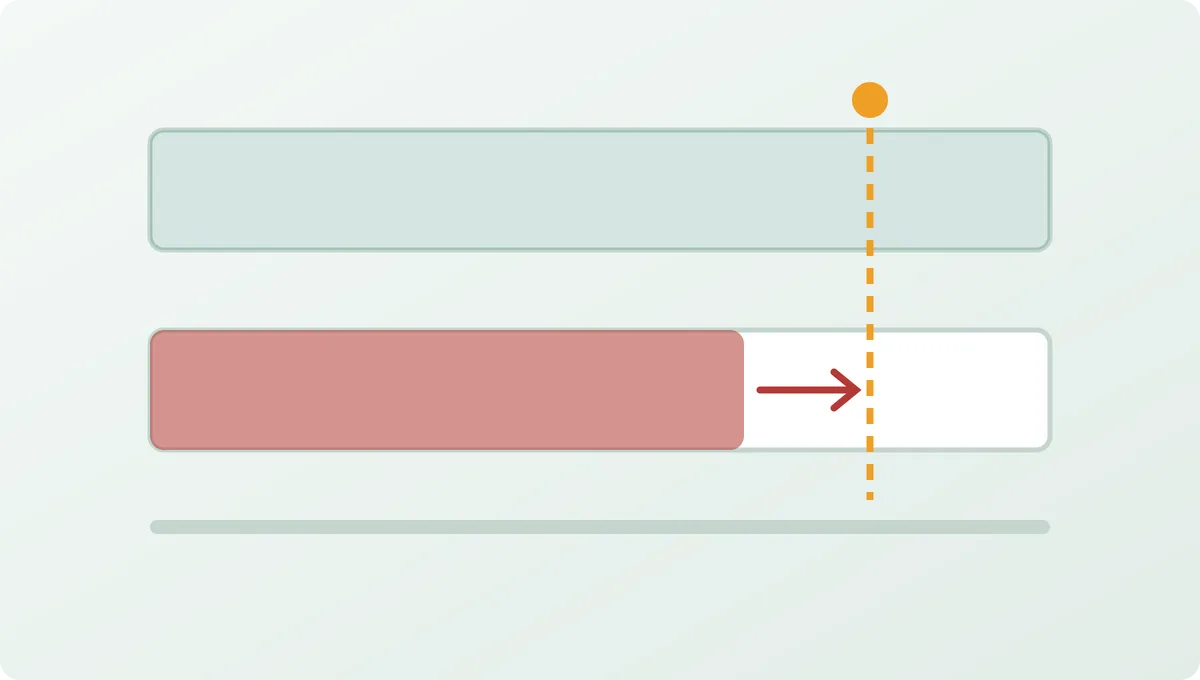
Most standard homeowners insurance policies include a coinsurance clause, usually requiring you to insure your home for at least 80% of its replacement cost — what it would actually cost to rebuild the structure from the ground up, not what you paid for it or what it would sell for. Meet that threshold, and a covered claim pays out in full, up to your policy limit. Fall short of it, and your insurer applies a coinsurance penalty to any claim, reducing your payout proportionally — and here's the part most homeowners don't realize: this penalty applies to partial losses too, not just total losses. Most claims are partial, which is exactly why this rule matters more than people assume.
The formula insurers actually use
The math behind a coinsurance penalty is simple once you see it laid out:
Payout ratio = Coverage carried ÷ (80% × Replacement cost)
Here's how that plays out with real numbers. Say your home's true replacement cost is $400,000. The 80% threshold is $320,000 — that's the minimum coverage you need to avoid a penalty entirely.
| Scenario | Coverage carried | Payout ratio | Payout on a $50,000 claim |
|---|---|---|---|
| Meets the rule | $320,000+ | 100% | $50,000 (minus deductible) |
| Slightly underinsured | $280,000 | 87.5% | $43,750 — a $6,250 gap |
| Significantly underinsured | $200,000 | 62.5% | $31,250 — an $18,750 gap |
Notice that the penalty applies before your deductible is subtracted, and it applies whether the damage is a roof, a kitchen fire, or a full rebuild. Being underinsured doesn't just cost you in a worst-case scenario — it costs you on ordinary claims too.
How many homeowners are actually underinsured?
Estimates vary depending on the source and methodology, but they consistently point the same direction — this is a widespread, not rare, problem. The Insurance Information Institute puts the figure between 20% and 60% of homeowners carrying insufficient coverage. A separate industry analysis estimates 60% of homes are underinsured by as much as 20%. United Policyholders, a consumer advocacy group, has cited a figure as high as 67%. Whatever the precise number, the consistent theme across every source is the same: most homeowners who are underinsured have no idea until they file a claim and get a smaller check than they expected.
Worked example
How a coinsurance penalty is calculated
Why homeowners end up underinsured without realizing it
- Coverage based on purchase price or market value — neither has any direct relationship to what it costs to rebuild the physical structure today.
- Renovations that were never reported — a kitchen remodel, new roof, or added room raises your home's replacement cost, but your insurer only knows about it if you tell them.
- Construction cost inflation — material and labor costs have risen steadily for years, and a dwelling limit set five years ago is very likely stale today.
- Policies purchased once and never revisited — many homeowners set their coverage at closing and never look at it again until they need it.
How to check if you're underinsured
- Find your current dwelling coverage limit on your policy's declarations page.
- Get an estimate of your home's actual replacement cost — not its market value or what you paid.
- Multiply that replacement cost by 80% to find your required minimum.
- Compare your actual dwelling limit to that number. If it's lower, you're underinsured under the coinsurance clause.
Our home replacement cost calculator does steps 2 through 4 for you automatically — enter your home's size, quality, and features, and it estimates your replacement cost, then lets you enter your current coverage limit to see your exact coinsurance position, including the dollar gap and estimated payout ratio on a sample claim.
What if you find you're underinsured?
The fix is usually straightforward: raise your dwelling coverage limit to at least 80% of your current replacement cost estimate, and ideally closer to 100%. A few additional options worth asking your agent about:
- Extended replacement cost coverage — an endorsement that adds a cushion, typically 20% to 50% above your dwelling limit, in case your estimate turns out to be too low when you actually need it.
- Guaranteed replacement cost coverage — a less common but more comprehensive option that pays the full cost to rebuild regardless of your policy limit. Fewer insurers offer this, but it's worth asking.
- An agreed value endorsement — you and your insurer agree on a specific replacement cost value upfront, which sidesteps the coinsurance calculation entirely as long as that agreed figure stays accurate.
Whichever route you choose, plan to revisit this every year and immediately after any major renovation — construction costs don't stand still, and neither should your coverage.
One more coverage gap to check: ordinance or law
If your home is older, a standard replacement cost payout may not be enough to rebuild to current building code — which can require significant upgrades a decades-old structure was never built with. Ordinance or law coverage is a separate endorsement that specifically covers those code-upgrade costs. It's worth asking about alongside your dwelling coverage review, especially for homes built well before current codes were adopted.
Frequently asked questions
Does the 80% rule apply to partial losses, or only a total loss?
It applies to partial losses too, which is the most important and most commonly misunderstood part of the rule. Most insurance claims are partial damage, not total losses, so an underinsured homeowner faces this penalty far more often than they'd expect.
What percentage of homeowners are actually underinsured?
Estimates vary by source, ranging from about 20% up to roughly two-thirds of homeowners, according to the Insurance Information Institute and other industry sources. The exact figure differs, but every source agrees this is a widespread issue, not a rare one.
Is replacement cost the same as my home's market value?
No. Market value reflects what a buyer would pay, including land and local real estate demand. Replacement cost is only what it would take to rebuild the physical structure with similar materials at current prices, and excludes land value entirely.
How often should I update my dwelling coverage?
At least once a year, and immediately after any major renovation, since both construction cost inflation and home improvements can raise your replacement cost without your insurer automatically knowing about it.
Put a number on it
Estimate your dwelling rebuild cost by size, construction quality, age and state — then check if…
Open the Home Replacement Cost Calculator →Sources & standards
This guide is general information, not professional advice. Building codes, permit requirements and safety rules are set locally and change over time — your building department and a licensed professional are the authorities for your property. Cost figures are HomeEstimatorHub estimates, not quotes — see how they are calculated.
Keep reading
More guides in Costs & Home Value.
Price it
Estimators for the work this guide describes.