
Home›Guides›Interior Remodeling
Interior Remodeling
Is Finishing Your Basement Worth It?
Financially, yes for most homeowners. Basement finishing returns 70% to 75% of its cost on average, and it's consistently the cheapest way to add usable square footage — running $30 to $75 per square foot versus $100 to $300+ per square foot for an above-ground addition. But there's a mechanism most homeowners don't know about: appraisers value below-grade space at only 50% to 70% of above-grade space per square foot, regardless of finish quality, and finished basement square footage doesn't count toward your home's official Gross Living Area at all. Buyers still respond well to it — the appraisal formula is just more conservative than the finish quality alone would suggest.

The short version
- Below-grade space is valued differently. Appraisers commonly credit finished basement area at only 50–70% of above-grade square footage.
- It is still the cheapest space you can add. $30–$75 per sq ft against $100–$300+ for an above-ground addition.
- ROI sits around 70–75%. Unusually consistent across sources, which is rare for a home improvement figure.
- Walkouts, a legal bedroom and egress windows move the needle. Highly personalised theming moves it the other way.
- Check for moisture before you finish anything. Finishing over a live problem means doing the flooring, drywall and insulation twice.
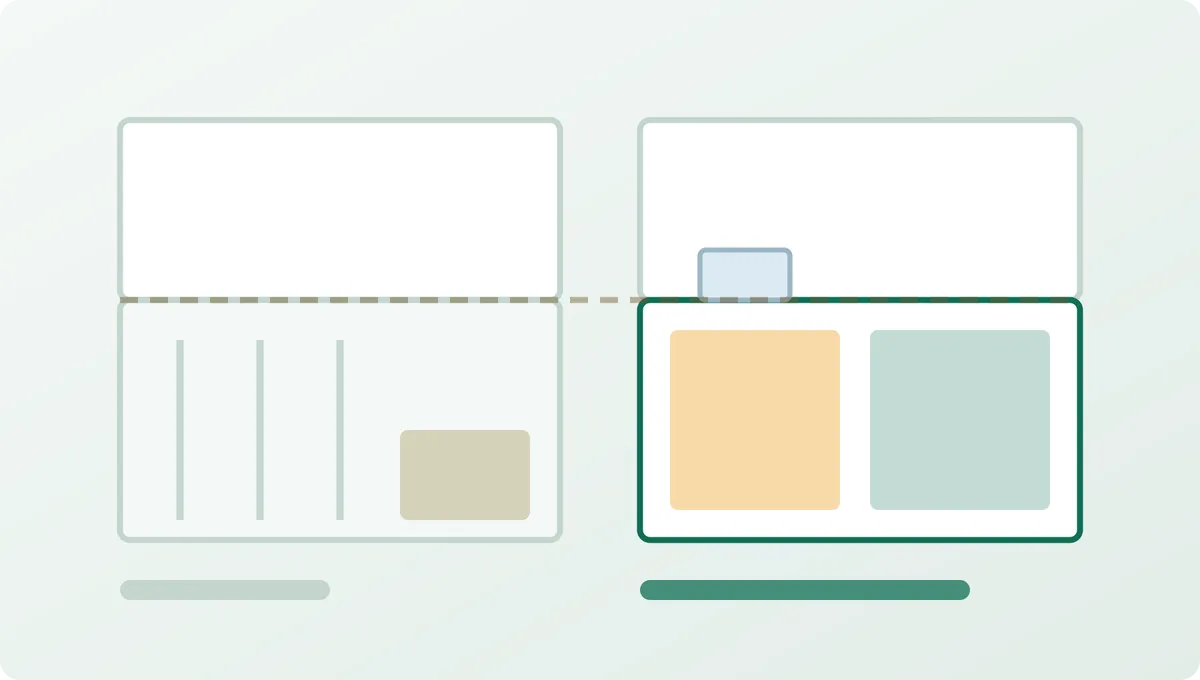
The mechanism most homeowners don't know: below-grade valuation
This is the fact that explains everything else about basement ROI, and it's genuinely surprising the first time you hear it: appraisers value below-grade finished space at only 50% to 70% of the per-square-foot value of above-grade living space — regardless of how well it's finished. A basement with the same hardwood floors, custom trim, and recessed lighting as the rest of the house is still listed and valued separately on the appraisal report. If your area's price per square foot is $150, your finished basement's appraised value is closer to $75 to $105 per square foot for the identical quality of work.
It goes further than that: finished basement square footage doesn't count toward your home's official Gross Living Area (GLA) at all. A 2,000 square foot home with a 1,000 square foot finished basement is not appraised as a 3,000 square foot home — the basement is listed separately, no matter how seamlessly it matches the rest of the house. Real estate listings often include the basement in "total finished square feet" or "total living area," which is what buyers actually see and respond to — but the formal appraisal that determines loan value applies the more conservative below-grade rules regardless of how the listing describes it.
Cost and ROI
| Factor | Typical range |
|---|---|
| Cost per sq ft | $30–$75 |
| Typical total project cost | $2,800–$100,000+ (average around $32,000) |
| Average ROI at resale | 70%–75% |
| Above-ground addition, for comparison | $100–$300+ per sq ft |
The 70-75% figure is unusually consistent across industry sources — most home improvement ROI figures vary far more depending on which report or year you're looking at. That consistency, combined with the below-market cost per square foot, is exactly why basement finishing is repeatedly cited as one of the more reliable home improvement investments available.
What actually moves the ROI needle
- Walkout access. Basements with a walkout — natural light and direct outdoor access — consistently return more than fully underground spaces, since they read less like "basement" and more like genuine living space.
- An actual bedroom and bathroom — not just an open rec room. A basement that adds a legal bedroom and bath does more for both function and resale than the same square footage as undefined open space.
- Egress windows. These serve a dual purpose: they're required by code for any basement bedroom to be legally habitable, and they meaningfully improve the space's appeal and safety at the same time.
On the other side, highly personalized designs — elaborate home theater theming, custom gaming setups, anything reflecting one household's specific taste rather than broad appeal — can actually reduce ROI. Open floor plans, neutral finishes, and genuinely multipurpose spaces appeal to the widest range of future buyers, which is what drives resale return.
The cheapest high-impact upgrade: lighting and paint
If budget is limited, this is where to spend it first: upgrading to bright LED recessed lighting and using light, neutral paint colors does more to make a basement feel like a real living space — rather than "a finished basement" — than almost any other single change, at a fraction of the cost of structural work.
Permits aren't optional
Basement finishing requires a permit in nearly every jurisdiction, and skipping this step creates real downstream problems. Without a permit, you generally can't legally count the new rooms as finished or habitable space when you sell, and unpermitted work can trigger homeowners insurance complications if a claim ever arises down the line. Buyers and their agents increasingly ask about permit history directly — unpermitted work can actually decrease a home's value rather than add to it, since it introduces liability uncertainty a buyer has no easy way to resolve.
Check for moisture problems before you finish anything
This is the step worth doing before any of the above. Finishing over an active moisture problem doesn't just risk mold — it can mean redoing flooring, drywall, and insulation within a few years once the underlying issue resurfaces. Our basement waterproofing cost calculator is worth pricing first if you have any history of dampness, efflorescence, or musty odors before committing to a finishing budget.
Basement finishing vs. a home addition
Finishing a basement is almost always the more cost-effective way to add space compared to building an above-ground addition, since the structure — foundation, floor, walls, ceiling — already exists. An addition requires excavation, new roofing, and new siding on top of the interior work, which is why it typically runs 2 to 3 times more per square foot than finishing an existing basement. If you're weighing both options as ways to add space without moving, our home addition vs. moving comparison covers the broader financial picture, including how a finished basement fits in as a lower-cost alternative to a full addition.
Is it worth it for you?
- High-density, expensive markets — basement finishing can recoup close to 100% of cost, since it creates usable "bonus" square footage that's otherwise simply unavailable in that market.
- Midwest and Northeast markets — finished basements are a standard, expected feature, generally delivering steady, predictable value.
- Slower markets or homes already at the neighborhood price ceiling — recovery can dip well below the 70% average, so it's worth checking local comps before assuming the national figure applies to you.
- Staying long-term — even at a partial financial recoup, the genuine day-to-day value of the extra living space, plus lower energy bills from insulating a previously unfinished area, is real and worth weighing alongside the resale math.
If flooring is part of your plan, moisture-appropriate material matters more than resale percentage in a basement specifically — our carpet vs. hardwood vs. LVP comparison covers which materials actually hold up below grade.
What will your basement project cost?
Cost depends heavily on finish level, whether you're adding a bathroom, and your local labor market. Our basement finishing cost estimator gives you an instant, itemized estimate specific to your project.
Frequently asked questions
Does a finished basement count toward my home's square footage?
Not on official appraisals. Below-grade finished space is listed separately from a home's Gross Living Area and valued at 50% to 70% of above-grade space per square foot, regardless of finish quality. Real estate listings may still include it in "total living area," which is what buyers typically see.
What is the average ROI on finishing a basement?
Around 70% to 75% nationally, making it one of the more consistent home improvement returns available. Walkout basements and those with a legal bedroom and bathroom tend to return more; homes already at their neighborhood's price ceiling may see less.
Is finishing a basement cheaper than building an addition?
Yes, almost always. Basement finishing runs $30 to $75 per square foot versus $100 to $300+ for an above-ground addition, since the addition requires excavation, roofing, and siding that a basement's existing structure doesn't need.
Do I need a permit to finish my basement?
Yes, in nearly every jurisdiction. Without a permit, the space generally can't be legally counted as finished or habitable when you sell, and unpermitted work can create homeowners insurance complications and reduce home value due to buyer liability concerns.
Put a number on it
Estimate waterproofing by method — interior sealant, French drain, exterior membrane or full excavation — and…
Open the Basement Waterproofing Cost Calculator →Sources & standards
- Remodeling — Cost vs. Value Report
- NAR — Remodeling Impact Report
- International Code Council — I-Codes
This guide is general information, not professional advice. Building codes, permit requirements and safety rules are set locally and change over time — your building department and a licensed professional are the authorities for your property. Cost figures are HomeEstimatorHub estimates, not quotes — see how they are calculated.
Keep reading
More guides in Interior Remodeling.
Price it
Estimators for the work this guide describes.